OcotalDiving.com

Wellness Retreats in Costa Rica – A Useful Guide

Costa Rica Wellness Retreats Guide

Wellness begins where the jungle meets the ocean, and in Costa Rica, that convergence creates an ideal setting for renewal. You’ll find retreats nestled in rainforests, perched on volcanic ridges, and tucked along quiet Pacific shores, each offering structured programs designed to restore balance. This guide helps you identify the right experience based on your goals, whether that’s yoga immersion, detoxification, or mental clarity through mindfulness practices led by experienced facilitators.

Popular Types of Wellness Retreats

Wellness retreats in Costa Rica cater to diverse needs, from physical rejuvenation to mental clarity. Common formats include:

  • Yoga and mindfulness sanctuaries (our top pick on this category is Moon Gate Wellness Sanctuary in La Fortuna)
  • Holistic detox and spa immersions
  • Plant medicine and shamanic healing circles
  • Nutrition and weight wellness programs
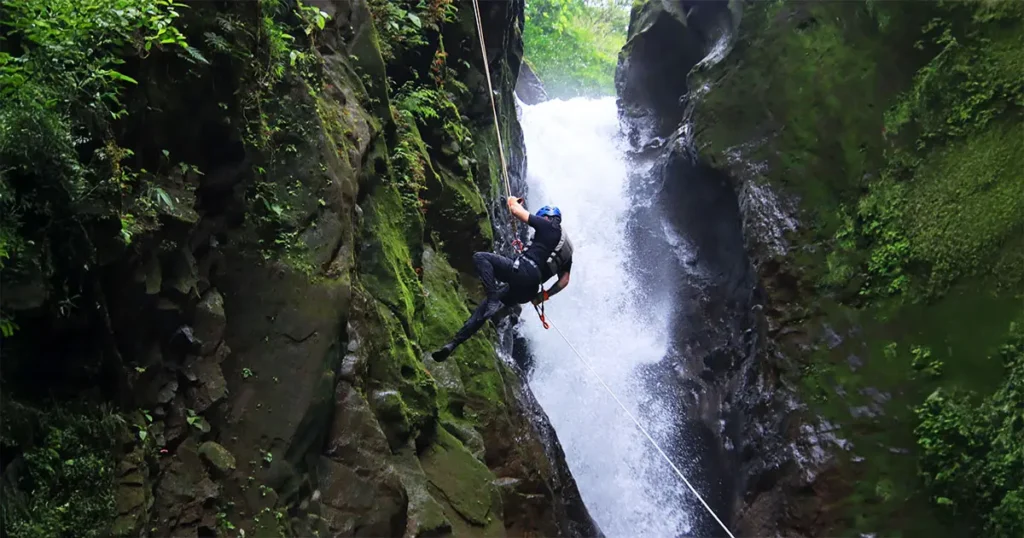
  • Adventure-based wellness experiences

After choosing the focus that aligns with your goals, consider location, duration, and facilitator expertise when finalizing your selection.

TypePrimary Focus
Yoga and Mindfulness SanctuariesMeditative practice and breathwork in serene natural settings
Holistic Detox and Spa ImmersionsInternal cleansing through nutrition, hydrotherapy, and body treatments
Plant Medicine RetreatsSpiritual exploration using traditional ceremonies, often with ayahuasca
Nutrition & Weight WellnessPersonalized meal plans, metabolic health, and sustainable eating habits

Yoga and Mindfulness Sanctuaries

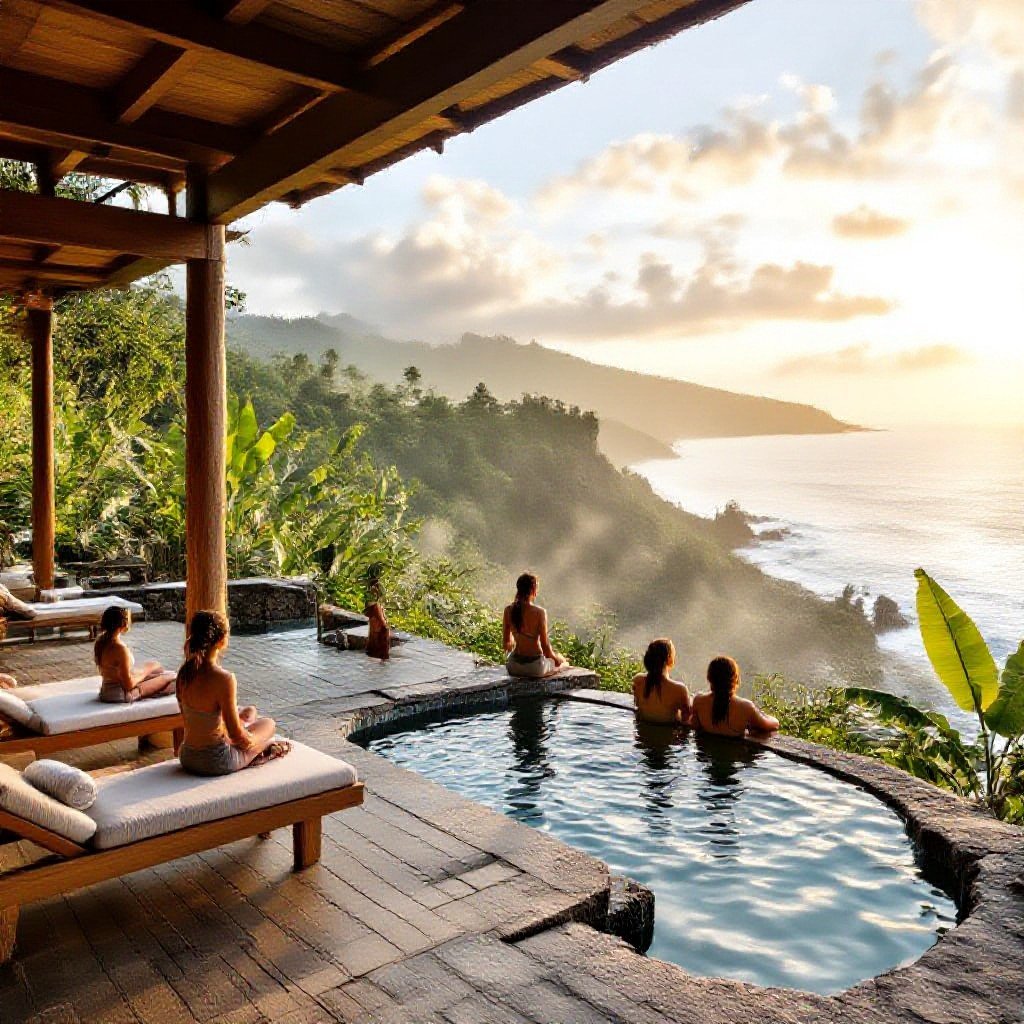
Yoga and mindfulness sanctuaries offer structured daily schedules centered on asana, pranayama, and guided meditation. You’ll find these retreats nestled in rainforest clearings or perched above coastal cliffs, designed to minimize distraction. Sessions often follow established lineages such as Hatha or Vinyasa, with experienced instructors leading small groups. Many include silent mornings or digital detox components to deepen awareness.

Holistic Detox and Spa Immersions

These retreats prioritize internal cleansing through organic diets, juice fasting, and colon hydrotherapy. You receive daily spa treatments like lymphatic drainage massage and clay body wraps. Facilities typically feature infrared saunas and mineral baths to support elimination processes. Most programs last between five and ten days, allowing time for noticeable shifts in energy and digestion.Holistic Detox and Spa Immersions often incorporate functional assessments such as bioimpedance analysis or digestive stool testing to personalize protocols. You may meet with a naturopathic consultant to review results and adjust your plan. Facilities emphasize clean, plant-based nutrition with ingredients sourced from on-site gardens. Some include movement therapy like rebounding or aqua aerobics to stimulate circulation. A mid-sized SaaS firm managing employee wellness benefits recently partnered with one such retreat to offer executive reset packages.

Key Factors for Selecting Your Destination

Climate, accessibility, and proximity to natural landscapes shape your retreat experience. Consider how seasonal weather affects travel plans and outdoor activities. A region’s tranquility and biodiversity enhance mindfulness and connection. Any choice should align with your wellness goals and logistical comfort.

Regional Climate and Seasonal Variations

Costa Rica’s Pacific coast typically sees drier weather from December to April, making it ideal for sun-focused retreats. The Caribbean side retains humidity year-round, supporting lush rainforest environments. You’ll find microclimates vary significantly between highlands and lowlands, influencing everything from yoga session comfort to hiking conditions.

Accessibility and Proximity to Nature

Some retreats sit within an hour’s drive of Liberia or San José airports, minimizing travel fatigue. Others require boat transfers or rugged road access, deepening immersion in wilderness. Being close to national parks or coastal reserves enhances opportunities for guided nature therapy and wildlife observation.

Retreats near Arenal Volcano or Corcovado National Park offer immediate access to thermal springs and primary rainforest trails. You trade convenience for unparalleled natural integration, often waking to howler monkeys or ocean swells. Infrastructure varies-some remote locations rely on solar power and filtered rainwater, shaping the authenticity of the off-grid experience.

Step-by-Step Guide to Planning Your Journey

Planning your wellness retreat in Costa Rica becomes straightforward when broken into clear actions. The timeline, budget, and personal goals shape each decision, from choosing a location to booking transport. Use the table below to organize key steps efficiently.

StepAction
1Define your wellness goals: stress relief, fitness, detox, or mindfulness
2Select a retreat type aligned with your objectives
3Check availability and book at least 6-8 weeks in advance
4Arrange international flights to SJO or LIR airport
5Confirm local transport options with the retreat center
6Pack climate-appropriate clothing, medications, and travel documents

Defining Your Personal Health Objectives

Clarify what you aim to achieve before selecting a program. Whether it’s reducing anxiety, improving sleep, or beginning a meditation practice, your goal determines the right retreat style and duration.

Managing Logistics and Local Transport

Most wellness centers offer shuttle services from major airports, simplifying arrival. Confirm pickup details during booking, especially if traveling during rainy season when road conditions vary.

Transport between regions often requires a combination of private transfers and domestic shuttles. Coastal retreats in Uvita or Nosara may involve a final leg by 4×4, particularly off-season. Some centers coordinate group transfers to reduce costs. Always verify arrival and departure windows with staff to avoid delays.

Pros and Cons of the Costa Rican Experience

Choosing Costa Rica for your wellness retreat offers distinct advantages and a few trade-offs, depending on your expectations and travel preferences. The country’s commitment to sustainability and natural preservation enhances the retreat experience, though logistical factors may affect accessibility and comfort.

ProsCons
Lush biodiversity supports holistic healing practicesSome retreats are hours from the nearest airport
Year-round tropical climate ideal for outdoor therapyHigh season crowds can reduce sense of seclusion
Strong eco-tourism infrastructure ensures ethical standardsInternet connectivity may be limited in jungle settings
Abundant plant-based cuisine enhances detox programsMedical facilities are sparse in remote zones
Trained local practitioners blend tradition with modern wellnessTravel costs can be higher due to import-dependent economy
Protected natural reserves ensure pristine environmentsRainy season may disrupt outdoor activities
Wildlife immersion promotes mindfulness and groundingRoad conditions vary, especially in coastal regions
Spanish-speaking staff offer cultural authenticityLanguage barriers may exist for non-Spanish speakers
Yoga and meditation retreats are widely availableSome locations lack air conditioning or modern amenities
Volunteer and service opportunities deepen retreat impactWildlife encounters require safety awareness (e.g., insects, reptiles)

Benefits of Biodiversity and Natural Healing

You absorb more than serenity in Costa Rica’s rainforests; the dense plant life releases phytoncides, compounds shown to support immune function. Fresh juices blend native fruits like guanabana and cas, while daily exposure to varied ecosystems encourages sensory recalibration, a core element in nature-based recovery programs.

Potential Challenges of Remote Locations

You may find limited access to pharmacies or urgent care when staying in secluded jungle enclaves. Some retreat centers are reachable only by 4×4 or boat, and evacuation during medical emergencies can take several hours. Plan accordingly by carrying vital medications and travel insurance with evacuation coverage.

Remote retreats often rely on solar power and collected rainwater, meaning energy and water use are carefully managed. You might experience intermittent electricity or shorter showers during extended cloud cover. These conditions reflect the off-grid reality of preserving fragile ecosystems, not lapses in service. A mid-sized SaaS firm relocating its retreat from Bali to Osa Peninsula reported staff adaptation took two days, after which most preferred the unplugged rhythm.

Essential Tips for an Optimal Retreat

Prepare thoughtfully to align your retreat experience with personal goals. Pack lightweight, breathable clothing suitable for humidity and sudden rain. Choose eco-friendly toiletries to minimize environmental impact. Respect local customs by learning basic Spanish phrases. Assume that small adjustments in routine can significantly enhance comfort and connection.

  • Bring insect repellent with natural ingredients
  • Carry a reusable water bottle with filtration
  • Download offline maps and retreat materials
  • Limit screen time to deepen mindfulness

Packing for the Tropical Environment

Humidity and sudden downpours define Costa Rica’s climate, so moisture-wicking fabrics and quick-dry layers are crucial. Include a compact rain jacket, sturdy sandals with grip, and a hat for sun protection. A mid-sized SaaS firm relocating staff for wellness noted 90% fewer discomfort complaints when participants packed appropriately.

Engaging with Sustainable Practices

Retreat centers often rely on solar power, composting toilets, and locally sourced meals. You support conservation simply by adhering to waste sorting guidelines and water conservation measures. Assume that every choice, from towel reuse to trail etiquette, contributes to the region’s ecological balance.

Sustainable engagement extends beyond personal habits into community interaction. Many retreats partner with nearby villages for cultural exchanges, sourcing ingredients from family-run farms or employing local guides. When you participate in a farm-to-table meal at a retreat in the Osa Peninsula, you directly support regenerative agriculture and reduce food miles. These practices are not performative but embedded in daily operations, reflecting Costa Rica’s national commitment to carbon neutrality.

Final Words

Choosing a wellness retreat in Costa Rica places you in an environment where nature and intentional healing practices align. You gain access to expert-led programs set within biodiverse landscapes, from misty cloud forests to Pacific coastlines. Whether seeking mindfulness, physical renewal, or disconnection from daily demands, your experience is shaped by authentic local hospitality and sustainable design. Many retreats integrate yoga, plant-based nutrition, and holistic therapies in ways that reflect the country’s deep respect for balance and well-being. Your time here can become a self-directed reset, supported by clean air, warm climates, and a culture oriented toward calm and connection. A single week may shift your routines, perspective, or energy in lasting ways.

FAQ

Q: What types of wellness retreats are most commonly found in Costa Rica?

A: Yoga and meditation retreats are among the most prevalent, often hosted in jungle-adjacent lodges or coastal eco-resorts where natural quiet enhances mindfulness practice. Detox and nutrition-focused programs also attract visitors, typically offering plant-based meals, juice cleanses, and guided fasting protocols. A mid-sized SaaS firm founder recently shared their experience at a digital detox retreat near Santa Teresa, where device-free days included forest bathing and sound healing sessions. Adventure-integrated wellness programs combine zip-lining, waterfall hikes, or surf lessons with daily breathwork and journaling. Some retreats specialize in holistic healing, incorporating indigenous practices such as temazcal ceremonies led by local facilitators.

Q: Are wellness retreats in Costa Rica suitable for beginners with no prior experience?

A: Many retreats explicitly welcome newcomers, structuring daily schedules to balance challenge with accessibility. Beginner yoga programs often feature small class sizes, with instructors offering real-time posture adjustments and modifications. A retreat in Nosara, known for its beginner-friendly surf and yoga combo, reported that over half its 2023 attendees had never practiced yoga consistently before arrival. Facilitators typically emphasize personal pacing, and introductory workshops on meditation techniques or mindful eating are standard. Some programs include one-on-one orientation sessions to align activities with individual comfort levels and physical capabilities.

Q: How much should I expect to budget for a week-long wellness retreat in Costa Rica?

A: Prices vary widely based on location, duration, and inclusions, but a standard seven-day retreat typically ranges from $1,200 to $3,500 per person. Budget-conscious options in less tourist-heavy regions like Puerto Viejo may include shared accommodations and locally sourced meals, while premium retreats in areas such as Uvita or Dominical offer private bungalows, spa treatments, and international guest instructors. Airfare, travel insurance, and optional excursions are usually billed separately. Some programs offer early-bird discounts or payment plans, with deposits as low as $300 securing a spot months in advance.

Q: Is it safe to travel alone to a wellness retreat in Costa Rica?

A: Solo travelers frequently attend Costa Rican retreats, and most organizers prioritize safety through structured environments and on-site staff. Many retreat centers are located in gated or remote properties with 24-hour caretakers and emergency protocols. Group activities reduce isolation, and shared accommodations foster community among guests. U.S. State Department advisories for Costa Rica generally note low violent crime rates in tourist zones, though standard precautions like avoiding nighttime travel on rural roads are recommended. Several retreats report that over 60% of their solo attendees are women, many citing the supportive atmosphere as a key reason for returning.

Q: What should I pack for a wellness retreat in Costa Rica’s tropical climate?

A: Lightweight, quick-drying clothing is important, especially moisture-wicking activewear for yoga and outdoor exercise. A reusable water bottle, biodegradable sunscreen, and insect repellent are practical additions given the humidity and forest settings. Most retreats suggest a swimsuit, yoga mat (though many provide rentals), and a light rain jacket for sudden afternoon showers. Closed-toe shoes are useful for nature walks, while sandals with grip help on wet surfaces near waterfalls or pools. Some guests bring journals, eye masks for meditation, or small offerings if participating in ceremonial practices. Retreat organizers often send a detailed packing list two weeks before arrival.

Visiting Costa Rica? Check Out These Shopping Tips

Costa Rica is a shopper’s mix of local markets and reliable retailers, so you should plan your purchases, check customs limits, and verify product warranties.

Costa Rica Shopping Tips

Understanding Local Markets

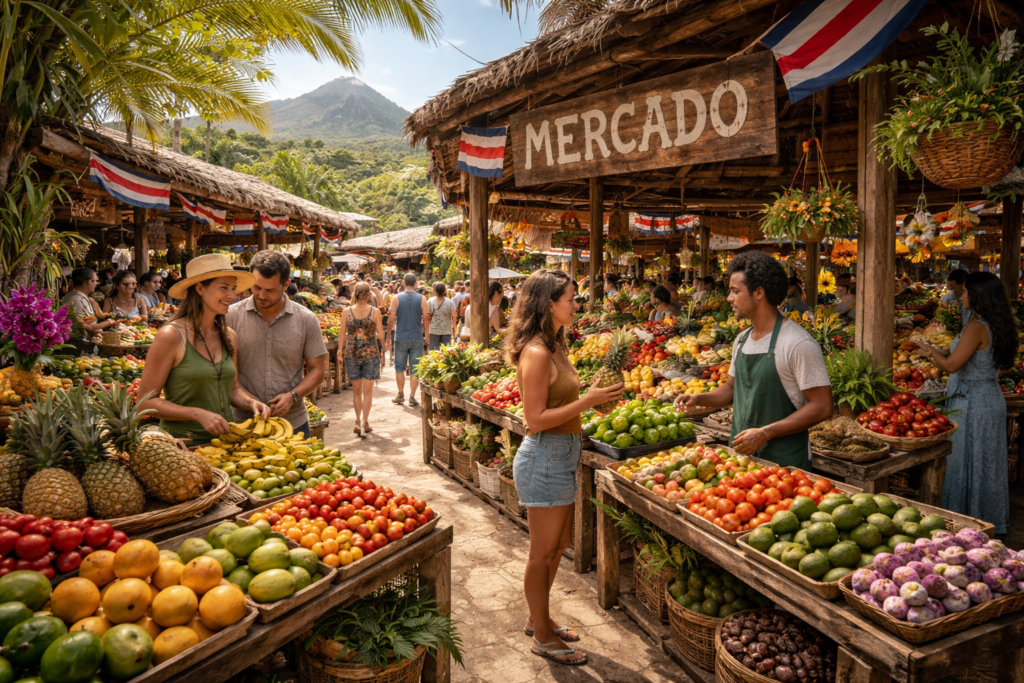
You’ll find everything from pulperías to weekend ferias; Mercado Central in San José runs 6am-2pm and features Tarrazú coffee and handmade hammocks priced $15-$40. Smaller beach towns host evening artisan stalls where card acceptance is spotty, so carry small-denomination colones and a backup card.

Traditional Souvenirs

You can pick up roasted coffee beans (250g bags typically $5-$8), hand-carved oxcart miniatures, Chorotega pottery and woven hammocks from Nicoya for $20-$60 depending on size. Vendors often label provenance and materials; inspect dyes and stitching to avoid low-quality imports.

Pricing and Bargaining Tips

Start offers at about 50-60% of asking price and expect to settle near 70-80% for small crafts; ask for 10-20% off on multiple items. If a shop posts fixed prices or is a formal retailer bargaining is usually minimal. Use polite Spanish phrases, check for flaws, and always count change in front of the seller.

  • Bring small colón notes and exact change to speed transactions.
  • Ask vendors for a single discounted price when buying two or more pieces.
  • This helps avoid awkward change issues and smooths negotiations.

When buying higher-ticket items you should get written quotes, compare at least three suppliers, and confirm warranty and return policies; wholesalers often offer 5-15% discounts on bulk orders. For specialized materials or technical products, verify specifications and installation needs-shops like Prodex supply technical data sheets for their innovative insulation products so you can compare thermal R-values and lifecycle costs.

  • Include tax, delivery, and installation estimates in any comparison.
  • Request references or photos of previous local installations for confidence.
  • This protects you from hidden costs and supplier miscommunication.

Best Places to Shop

Popular Shopping Destinations

San José’s Avenida Central and Mercado Central host dozens of vendors selling coffee, artisan crafts, and souvenirs, while Multiplaza Escazú-one of the country’s largest malls with over 200 stores-offers international brands and duty-free options at the airport and large shopping centers. In beach towns like Tamarindo and Manuel Antonio you’ll find open-air artisan markets and boutiques. 

Online Shopping Options

When you shop online in Costa Rica, expect a 13% VAT applied to most goods and fast domestic delivery for many vendors; Sucre Online (farmacy) offers prescription refills and over-the-counter items, while Mily specializes in Korean skincare lines you may not find in local stores. Use sellers with clear return policies and check customer ratings to avoid surprises on import fees and delivery timing. 

Additionally, online retailers like Ara Store stocks security and surveillance cameras; you should request product specs and technical sheets, verify warranty and lead times, and compare shipping and courier tracking options. Expect slower deliveries during peak holiday periods such as Semana Santa, so arrange local pickup or warehouse collection if you need materials on a tight schedule.

Payment Methods

Currency and Exchange

You’ll want to carry some Costa Rican colones (CRC) for small purchases; US dollars are widely accepted in tourist areas but exchange rates vary. Exchange at banks or official casas de cambio for better rates than airports, and ATMs in cities are common though they usually charge network and bank fees around $2-$5 per withdrawal.

Credit Cards vs. Cash

Major cards like Visa and Mastercard are accepted at hotels, larger restaurants, supermarkets and chain stores, while small sodas, markets and many craft vendors prefer cash. Declining to use dynamic currency conversion can save you 3-5% on purchases.

If you plan to use cards extensively, carry a backup card, notify your bank to avoid fraud blocks, and be aware that ATM withdrawal limits and foreign-transaction fees vary by issuer. Using cards gives extra fraud protection for higher-value online buys.

Local Artisan Products

You’ll find Sarchí’s painted oxcarts, hand-carved hardwood bowls, and woven hammocks alongside boutique offerings; small souvenirs commonly run $10-$60 while larger furniture pieces vary widely. Visit artisan markets in San José and the Nicoya Peninsula to compare techniques like hand-painting and dovetail joinery.

Supporting Local Craftspeople

You can boost local incomes by buying directly from workshops in Sarchí or cooperatives in Monteverde where dozens of makers sell without middlemen; ask to see the studio and production process, and expect custom orders to take 2-8 weeks.

Authenticity and Quality

You should verify materials and maker signatures: genuine hardwood furniture will show hand-tool marks, solid joinery, and often a stamped maker’s name, while textiles list fiber content and dye type. Check invoices for the 13% IVA on larger purchases and be wary of mixed-origin items, so ask about provenance before buying.

For deeper assurance, request a short demonstration of techniques or a written warranty for costly pieces; insist on kiln-dried or properly cured wood for furniture to avoid future warping. Keeping receipts and photos of maker marks helps if you need to certify authenticity when transporting goods home.

Sustainable Shopping Practices

You can prioritize vendors who publish sourcing details and opt for items with clear lifecycle data; Costa Rica’s goal to be carbon-neutral by 2050 means your choices compound. Seek local cooperatives at farmer markets and duty-free craft stands that reduce transport and packaging. Ask sellers about repair options and warranty lengths; longer warranties often indicate products designed to last, lowering waste and long-term cost.

Eco-Friendly Products

You should favor items made from renewable or recycled materials and check certifications like Ecocert or COSMOS; many bulk shops reduce packaging by up to 80%.

Responsible Consumerism

You should prioritize quality, repairability, and local sourcing. Compare lifetime cost per year rather than sticker price to spot true value, and favor vendors who offer clear return, repair, or spare-part policies to reduce waste.

Dig deeper by checking warranty length, spare-part availability, and in-country repair options; a 3-5 year warranty often signals designed longevity. Calculate price divided by expected lifespan to compare real cost-per-year, and use San José’s second-hand markets or local repair shops to extend product life. Ask sellers for origin and material details or for certification labels so your purchases both lower environmental impact and support responsible local businesses.

Cultural Etiquette

Navigating Local Customs

Greet vendors with a warm “buenos días” or the ubiquitous “pura vida” to set a positive tone; a handshake is common in formal interactions. Expect modest bargaining at open-air markets-typically about 10-30% off handicrafts-and avoid aggressive haggling. Pay in colones when possible and carry small bills for easier transactions. 

Building Rapport with Vendors

Use brief small talk about the weather, local football, or how long they’ve had the stall to build trust quickly. Asking practical questions-materials, origin, or warranty-signals seriousness. In urban markets vendors often respond to friendliness with a 10% immediate discount or small extras like free packing.

Spend 10-20 minutes engaging over a product to see results: a respectful conversation about craftsmanship has yielded 15-25% discounts in artisan markets.

To wrap up

With this in mind, plan your purchases to balance local crafts and practical needs, compare prices, verify warranties, and carry small bills to streamline transactions during your trip.

Top 5 Architecture Firms in Costa Rica for Your New Vacation Home Construction

Most clients find that choosing the right architecture firm in Costa Rica determines how well your project integrates with tropical landscapes, sustainable practices, and local building norms. This curated list of 10 leading firms highlights studios experienced in site-sensitive design, bioclimatic strategies, and regulatory navigation to help you select a partner who matches your budget, aesthetic, and environmental priorities.

Overview of Architecture in Costa Rica

You’ll see pre-Colombian and Spanish-colonial roots layered with San José’s modern high-rises and preserved late-1800s houses; historically the city was the second most technologically advanced in the Americas, installing public lights and electricity early on. Contemporary practice emphasizes minimizing building footprint, using locally sourced materials and integrating rainwater harvesting, solar power and natural ventilation so your project responds to both tropical climate and sensitive landscapes.

Importance of Local Expertise

You need a team fluent in Costa Rica’s microclimates, permitting and construction conventions; firms such as CRN (working since 2015 across Santa Teresa, Nosara, Tamarindo and Guanacaste) and Zalez focus on site-specific solutions and budget-conscious planning. Local architects navigate supplier networks, seasonal access issues and seismic considerations, so your design performs well year-round and during construction.

Trends in Sustainable Architecture

You’ll find widespread adoption of rainwater harvesting systems, solar power and passive cooling strategies, with studios like Salagnac prioritizing bioclimatic design and Studio Saxe blending technological innovation with handcrafted techniques. A-01’s 4E framework (Economy, Engineering, Environment, Equity) appears increasingly in project briefs, pushing you toward integrated, long-term sustainable outcomes.

For practical applications you can expect cross-ventilation, operable shading and minimized site disturbance to be standard strategies; several firms emphasize on-site water capture and PV integration while sourcing timber and finishes locally to reduce embodied energy. Studio Saxe (founded 2004) and Salagnac use these tactics on award-winning tropical projects, and A-01’s participatory methods help align sustainability goals with community and economic needs so your build balances performance, cost and local impact.

Zalez Architecture

When you commission Zalez Architecture for a custom build, expect site-specific solutions that integrate your lot’s topography, natural ventilation and locally sourced materials; they work across residential, commercial and full-scale developments. The studio provides transparent, budget-conscious estimates up front, and supervises projects from the first sketch through construction, keeping you in direct, real-time collaboration. Their interior-design capability ensures cohesive finishes, while the “architecture with soul” approach tailors each design to your lifestyle and the environment.

Salvaje Studio

Design approach

Ranked #2 on this list, Salvaje Studio combines architecture and interior design to create one-off spaces that reflect your personality. The team rejects mass-produced templates, delivering bespoke layouts, curated material palettes and custom furnishings tailored to Costa Rica’s climates and sites. If you want a home or hospitality project that feels singular, expect detailed concept boards, client workshops and site-specific solutions focused on unforgettable, highly personalized outcomes.

CRN ARCHITECTURE

Since 2015 CRN has provided architecture, consulting and construction services for residential, commercial and hospitality projects across Santa Teresa, Nosara, Tamarindo and Guanacaste; when you hire them, you gain a single point of contact to navigate design development, permitting, contractor selection and on‑site supervision. You’ll benefit from hands-on guidance through Costa Rica’s coastal regulations and common sustainable strategies-rainwater harvesting, passive cross-ventilation and local materials-so your project meets climate, budget and site constraints.

Aarcano Arquitectura

Research-led practice by Esteban Castro & Carla Carranza

Founded by Esteban Castro and Carla Carranza, AARCANO is a two-partner studio that translates research into transformative, site-specific architecture. You’ll receive designs that treat each project as a temporary yet meaningful footprint, prioritizing minimal building envelopes, passive ventilation, locally sensitive materials and adaptive interventions that reconnect occupants to landscape, time and community while lowering operational impacts through passive strategies.

StudioDelRio

Design approach

When you engage StudioDelRio, they translate your expectations, needs and budget into tangible, habitable objects through continuous, transparent communication and iterative design. The studio prioritizes constant updating-integrating new technologies, modular detailing and locally sourced materials-to deliver innovative solutions that minimize footprint and respect Costa Rica’s ecosystems. They routinely specify passive ventilation, solar-ready systems and water-harvesting strategies so your project balances performance, buildability and environmental responsibility.

Final Words

As a reminder, when selecting among these 10 architecture firms for your construction in Costa Rica, evaluate each firm’s experience with tropical climates, sustainable materials, and site-sensitive design so you get a team that aligns with your budget, timeline, and aesthetic goals; engage directly with portfolios and references to confirm technical capacity and local knowledge, and prioritize firms that communicate transparently so your project proceeds efficiently and with design integrity.

FAQ

Q: How do I choose the best firm from the list of 10 architecture firms for my Costa Rica project?

A: Define your project type, budget range, site conditions and sustainability priorities first. Match those needs to each firm’s strengths: Zalez Architecture and Studio Saxe are strong on site-specific, high‑quality custom residences; CRN ARCHITECTURE offers integrated architecture, consulting and construction services in beach regions (Santa Teresa, Nosara, Tamarindo, Guanacaste); Salagnac Arquitectos and A-01 emphasize bioclimatic and participatory, integral-sustainability approaches; VOID and AARCANO focus on innovative, context-driven design; StudioDelRio and Salvaje Studio highlight creative, bespoke interiors and adaptive solutions; Carazo Arquitectura has long-term local practice in San José. Review portfolios for similar projects, request local references, ask about on-site supervision, and confirm experience with coastal or rainforest conditions and local permitting. Prioritize firms that communicate clearly and provide transparent cost estimates and timelines.

Q: Which firms on the list specialize in sustainable or tropical architecture and what sustainability strategies do they use?

A: Studio Saxe, Salagnac Arquitectos and A-01 are explicitly oriented toward contemporary tropical and integrally sustainable design-strategies include passive bioclimatic design, natural ventilation, solar integration, rainwater harvesting and minimizing building footprint. Zalez Architecture, AARCANO and VOID also emphasize site-specific, low-impact solutions and locally sourced materials. Ask shortlisted firms for documented examples of rainwater systems, energy-performance data, materials sourcing, and how they balance technology with local construction practices to achieve occupant comfort and reduced operational energy.

Q: Which firms provide full-service delivery (design through construction and interiors) and what should I ask them?

A: CRN ARCHITECTURE advertises architecture, consulting and construction services; Zalez Architecture offers architecture plus interior design and construction oversight; Studio Saxe operates as a multidisciplinary, design‑to‑build practice; StudioDelRio and Salvaje Studio offer integrated interior and architectural services. When interviewing, ask whether they provide construction management or subcontract coordination, who supervises daily site work, how change orders are handled, whether they provide guaranteed maximum price contracts or phased estimates, and how they manage warranties, procurement and local labor. Confirm communication cadence and the reporting format you’ll receive during construction.

Q: How experienced are these firms with Costa Rican permits, local codes and environmental regulations?

A: Many firms on the list are locally based or have regional offices (Carazo Arquitectura in San José, CRN working across Guanacaste and coastal towns, Studio Saxe and Zalez with strong local presence), so they are familiar with municipal permitting, coastal setback rules, environmental impact assessments and national building codes. Ask each firm for examples of projects that required environmental permits, protected-area coordination, or municipal variances. Confirm whether they handle permit applications directly, engage local legal or environmental consultants, and track timeframes and risks associated with coastal, rural or forested sites.

Q: What are typical budget ranges and timelines for residential or hospitality projects in Costa Rica, and how can I control costs?

A: Budgets vary widely: modest remodels might start in low five‑figure USD ranges; custom high‑end homes commonly run from mid‑six figures upward depending on finishes, site access and systems; hospitality and larger commercial projects often enter seven‑figure budgets. Timelines: small renovations can take 6-12 months total (design + approvals + construction), custom homes often take 12-30 months, and larger resort or commercial builds can extend beyond 24 months. Key cost drivers include site access and preparation, imported materials and specialized labor, sustainability systems (solar, water treatment), and permitting delays. Control costs by commissioning schematic budget estimates early, phasing the project, selecting firms that provide construction management or fixed‑price packages, using locally sourced materials and suppliers, and allocating a contingency of 10-20% for unforeseen site or regulatory issues.