
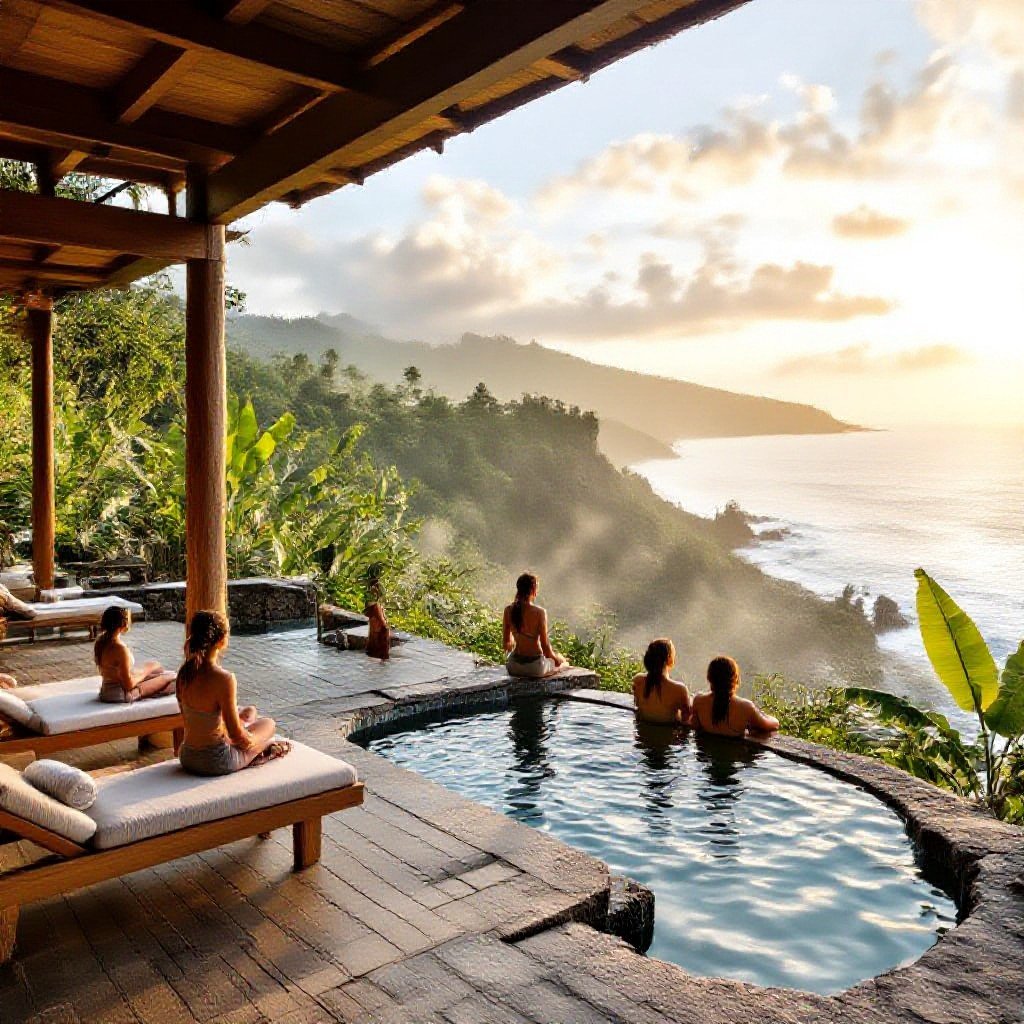
Wellness begins where the jungle meets the ocean, and in Costa Rica, that convergence creates an ideal setting for renewal. You’ll find retreats nestled in rainforests, perched on volcanic ridges, and tucked along quiet Pacific shores, each offering structured programs designed to restore balance. This guide helps you identify the right experience based on your goals, whether that’s yoga immersion, detoxification, or mental clarity through mindfulness practices led by experienced facilitators.
Popular Types of Wellness Retreats
Wellness retreats in Costa Rica cater to diverse needs, from physical rejuvenation to mental clarity. Common formats include:
- Yoga and mindfulness sanctuaries (our top pick on this category is Moon Gate Wellness Sanctuary in La Fortuna)
- Holistic detox and spa immersions
- Plant medicine and shamanic healing circles
- Nutrition and weight wellness programs
- Adventure-based wellness experiences
After choosing the focus that aligns with your goals, consider location, duration, and facilitator expertise when finalizing your selection.
| Type | Primary Focus |
| Yoga and Mindfulness Sanctuaries | Meditative practice and breathwork in serene natural settings |
| Holistic Detox and Spa Immersions | Internal cleansing through nutrition, hydrotherapy, and body treatments |
| Plant Medicine Retreats | Spiritual exploration using traditional ceremonies, often with ayahuasca |
| Nutrition & Weight Wellness | Personalized meal plans, metabolic health, and sustainable eating habits |
Yoga and Mindfulness Sanctuaries
Yoga and mindfulness sanctuaries offer structured daily schedules centered on asana, pranayama, and guided meditation. You’ll find these retreats nestled in rainforest clearings or perched above coastal cliffs, designed to minimize distraction. Sessions often follow established lineages such as Hatha or Vinyasa, with experienced instructors leading small groups. Many include silent mornings or digital detox components to deepen awareness.
Holistic Detox and Spa Immersions
These retreats prioritize internal cleansing through organic diets, juice fasting, and colon hydrotherapy. You receive daily spa treatments like lymphatic drainage massage and clay body wraps. Facilities typically feature infrared saunas and mineral baths to support elimination processes. Most programs last between five and ten days, allowing time for noticeable shifts in energy and digestion.Holistic Detox and Spa Immersions often incorporate functional assessments such as bioimpedance analysis or digestive stool testing to personalize protocols. You may meet with a naturopathic consultant to review results and adjust your plan. Facilities emphasize clean, plant-based nutrition with ingredients sourced from on-site gardens. Some include movement therapy like rebounding or aqua aerobics to stimulate circulation. A mid-sized SaaS firm managing employee wellness benefits recently partnered with one such retreat to offer executive reset packages.
Key Factors for Selecting Your Destination
Climate, accessibility, and proximity to natural landscapes shape your retreat experience. Consider how seasonal weather affects travel plans and outdoor activities. A region’s tranquility and biodiversity enhance mindfulness and connection. Any choice should align with your wellness goals and logistical comfort.
Regional Climate and Seasonal Variations
Costa Rica’s Pacific coast typically sees drier weather from December to April, making it ideal for sun-focused retreats. The Caribbean side retains humidity year-round, supporting lush rainforest environments. You’ll find microclimates vary significantly between highlands and lowlands, influencing everything from yoga session comfort to hiking conditions.
Accessibility and Proximity to Nature
Some retreats sit within an hour’s drive of Liberia or San José airports, minimizing travel fatigue. Others require boat transfers or rugged road access, deepening immersion in wilderness. Being close to national parks or coastal reserves enhances opportunities for guided nature therapy and wildlife observation.
Retreats near Arenal Volcano or Corcovado National Park offer immediate access to thermal springs and primary rainforest trails. You trade convenience for unparalleled natural integration, often waking to howler monkeys or ocean swells. Infrastructure varies-some remote locations rely on solar power and filtered rainwater, shaping the authenticity of the off-grid experience.
Step-by-Step Guide to Planning Your Journey
Planning your wellness retreat in Costa Rica becomes straightforward when broken into clear actions. The timeline, budget, and personal goals shape each decision, from choosing a location to booking transport. Use the table below to organize key steps efficiently.
| Step | Action |
| 1 | Define your wellness goals: stress relief, fitness, detox, or mindfulness |
| 2 | Select a retreat type aligned with your objectives |
| 3 | Check availability and book at least 6-8 weeks in advance |
| 4 | Arrange international flights to SJO or LIR airport |
| 5 | Confirm local transport options with the retreat center |
| 6 | Pack climate-appropriate clothing, medications, and travel documents |
Defining Your Personal Health Objectives
Clarify what you aim to achieve before selecting a program. Whether it’s reducing anxiety, improving sleep, or beginning a meditation practice, your goal determines the right retreat style and duration.
Managing Logistics and Local Transport
Most wellness centers offer shuttle services from major airports, simplifying arrival. Confirm pickup details during booking, especially if traveling during rainy season when road conditions vary.
Transport between regions often requires a combination of private transfers and domestic shuttles. Coastal retreats in Uvita or Nosara may involve a final leg by 4×4, particularly off-season. Some centers coordinate group transfers to reduce costs. Always verify arrival and departure windows with staff to avoid delays.
Pros and Cons of the Costa Rican Experience
Choosing Costa Rica for your wellness retreat offers distinct advantages and a few trade-offs, depending on your expectations and travel preferences. The country’s commitment to sustainability and natural preservation enhances the retreat experience, though logistical factors may affect accessibility and comfort.
| Pros | Cons |
| Lush biodiversity supports holistic healing practices | Some retreats are hours from the nearest airport |
| Year-round tropical climate ideal for outdoor therapy | High season crowds can reduce sense of seclusion |
| Strong eco-tourism infrastructure ensures ethical standards | Internet connectivity may be limited in jungle settings |
| Abundant plant-based cuisine enhances detox programs | Medical facilities are sparse in remote zones |
| Trained local practitioners blend tradition with modern wellness | Travel costs can be higher due to import-dependent economy |
| Protected natural reserves ensure pristine environments | Rainy season may disrupt outdoor activities |
| Wildlife immersion promotes mindfulness and grounding | Road conditions vary, especially in coastal regions |
| Spanish-speaking staff offer cultural authenticity | Language barriers may exist for non-Spanish speakers |
| Yoga and meditation retreats are widely available | Some locations lack air conditioning or modern amenities |
| Volunteer and service opportunities deepen retreat impact | Wildlife encounters require safety awareness (e.g., insects, reptiles) |
Benefits of Biodiversity and Natural Healing
You absorb more than serenity in Costa Rica’s rainforests; the dense plant life releases phytoncides, compounds shown to support immune function. Fresh juices blend native fruits like guanabana and cas, while daily exposure to varied ecosystems encourages sensory recalibration, a core element in nature-based recovery programs.
Potential Challenges of Remote Locations
You may find limited access to pharmacies or urgent care when staying in secluded jungle enclaves. Some retreat centers are reachable only by 4×4 or boat, and evacuation during medical emergencies can take several hours. Plan accordingly by carrying vital medications and travel insurance with evacuation coverage.
Remote retreats often rely on solar power and collected rainwater, meaning energy and water use are carefully managed. You might experience intermittent electricity or shorter showers during extended cloud cover. These conditions reflect the off-grid reality of preserving fragile ecosystems, not lapses in service. A mid-sized SaaS firm relocating its retreat from Bali to Osa Peninsula reported staff adaptation took two days, after which most preferred the unplugged rhythm.
Essential Tips for an Optimal Retreat
Prepare thoughtfully to align your retreat experience with personal goals. Pack lightweight, breathable clothing suitable for humidity and sudden rain. Choose eco-friendly toiletries to minimize environmental impact. Respect local customs by learning basic Spanish phrases. Assume that small adjustments in routine can significantly enhance comfort and connection.
- Bring insect repellent with natural ingredients
- Carry a reusable water bottle with filtration
- Download offline maps and retreat materials
- Limit screen time to deepen mindfulness
Packing for the Tropical Environment
Humidity and sudden downpours define Costa Rica’s climate, so moisture-wicking fabrics and quick-dry layers are crucial. Include a compact rain jacket, sturdy sandals with grip, and a hat for sun protection. A mid-sized SaaS firm relocating staff for wellness noted 90% fewer discomfort complaints when participants packed appropriately.
Engaging with Sustainable Practices
Retreat centers often rely on solar power, composting toilets, and locally sourced meals. You support conservation simply by adhering to waste sorting guidelines and water conservation measures. Assume that every choice, from towel reuse to trail etiquette, contributes to the region’s ecological balance.
Sustainable engagement extends beyond personal habits into community interaction. Many retreats partner with nearby villages for cultural exchanges, sourcing ingredients from family-run farms or employing local guides. When you participate in a farm-to-table meal at a retreat in the Osa Peninsula, you directly support regenerative agriculture and reduce food miles. These practices are not performative but embedded in daily operations, reflecting Costa Rica’s national commitment to carbon neutrality.
Final Words
Choosing a wellness retreat in Costa Rica places you in an environment where nature and intentional healing practices align. You gain access to expert-led programs set within biodiverse landscapes, from misty cloud forests to Pacific coastlines. Whether seeking mindfulness, physical renewal, or disconnection from daily demands, your experience is shaped by authentic local hospitality and sustainable design. Many retreats integrate yoga, plant-based nutrition, and holistic therapies in ways that reflect the country’s deep respect for balance and well-being. Your time here can become a self-directed reset, supported by clean air, warm climates, and a culture oriented toward calm and connection. A single week may shift your routines, perspective, or energy in lasting ways.
FAQ
Q: What types of wellness retreats are most commonly found in Costa Rica?
A: Yoga and meditation retreats are among the most prevalent, often hosted in jungle-adjacent lodges or coastal eco-resorts where natural quiet enhances mindfulness practice. Detox and nutrition-focused programs also attract visitors, typically offering plant-based meals, juice cleanses, and guided fasting protocols. A mid-sized SaaS firm founder recently shared their experience at a digital detox retreat near Santa Teresa, where device-free days included forest bathing and sound healing sessions. Adventure-integrated wellness programs combine zip-lining, waterfall hikes, or surf lessons with daily breathwork and journaling. Some retreats specialize in holistic healing, incorporating indigenous practices such as temazcal ceremonies led by local facilitators.
Q: Are wellness retreats in Costa Rica suitable for beginners with no prior experience?
A: Many retreats explicitly welcome newcomers, structuring daily schedules to balance challenge with accessibility. Beginner yoga programs often feature small class sizes, with instructors offering real-time posture adjustments and modifications. A retreat in Nosara, known for its beginner-friendly surf and yoga combo, reported that over half its 2023 attendees had never practiced yoga consistently before arrival. Facilitators typically emphasize personal pacing, and introductory workshops on meditation techniques or mindful eating are standard. Some programs include one-on-one orientation sessions to align activities with individual comfort levels and physical capabilities.
Q: How much should I expect to budget for a week-long wellness retreat in Costa Rica?
A: Prices vary widely based on location, duration, and inclusions, but a standard seven-day retreat typically ranges from $1,200 to $3,500 per person. Budget-conscious options in less tourist-heavy regions like Puerto Viejo may include shared accommodations and locally sourced meals, while premium retreats in areas such as Uvita or Dominical offer private bungalows, spa treatments, and international guest instructors. Airfare, travel insurance, and optional excursions are usually billed separately. Some programs offer early-bird discounts or payment plans, with deposits as low as $300 securing a spot months in advance.
Q: Is it safe to travel alone to a wellness retreat in Costa Rica?
A: Solo travelers frequently attend Costa Rican retreats, and most organizers prioritize safety through structured environments and on-site staff. Many retreat centers are located in gated or remote properties with 24-hour caretakers and emergency protocols. Group activities reduce isolation, and shared accommodations foster community among guests. U.S. State Department advisories for Costa Rica generally note low violent crime rates in tourist zones, though standard precautions like avoiding nighttime travel on rural roads are recommended. Several retreats report that over 60% of their solo attendees are women, many citing the supportive atmosphere as a key reason for returning.
Q: What should I pack for a wellness retreat in Costa Rica’s tropical climate?
A: Lightweight, quick-drying clothing is important, especially moisture-wicking activewear for yoga and outdoor exercise. A reusable water bottle, biodegradable sunscreen, and insect repellent are practical additions given the humidity and forest settings. Most retreats suggest a swimsuit, yoga mat (though many provide rentals), and a light rain jacket for sudden afternoon showers. Closed-toe shoes are useful for nature walks, while sandals with grip help on wet surfaces near waterfalls or pools. Some guests bring journals, eye masks for meditation, or small offerings if participating in ceremonial practices. Retreat organizers often send a detailed packing list two weeks before arrival.