
Costa Rica is a shopper’s mix of local markets and reliable retailers, so you should plan your purchases, check customs limits, and verify product warranties.
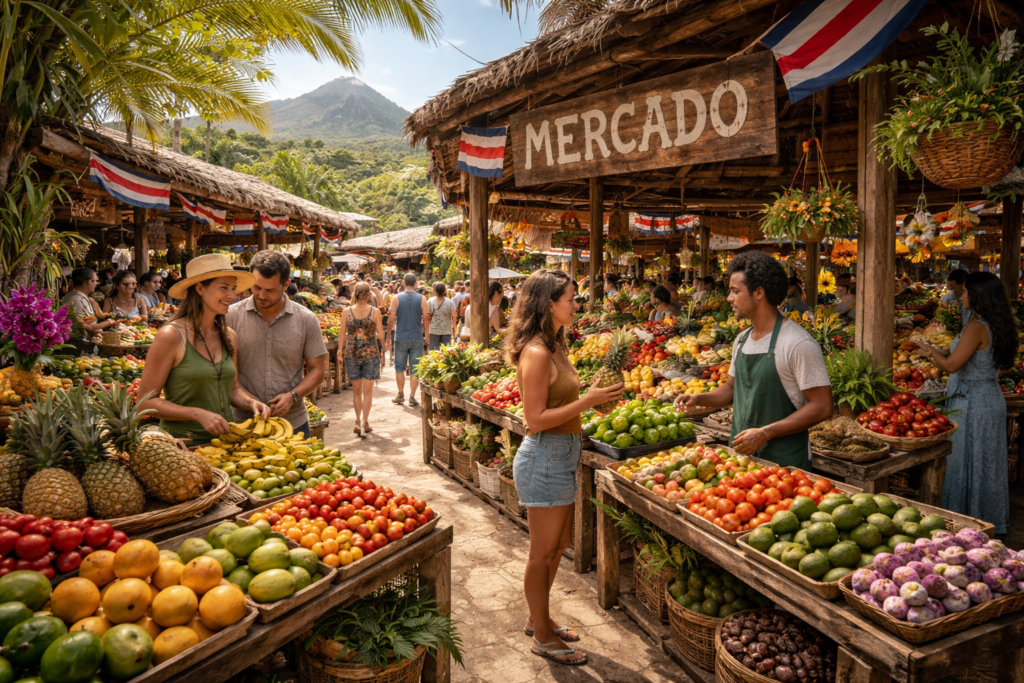
Understanding Local Markets
You’ll find everything from pulperías to weekend ferias; Mercado Central in San José runs 6am-2pm and features Tarrazú coffee and handmade hammocks priced $15-$40. Smaller beach towns host evening artisan stalls where card acceptance is spotty, so carry small-denomination colones and a backup card.
Traditional Souvenirs
You can pick up roasted coffee beans (250g bags typically $5-$8), hand-carved oxcart miniatures, Chorotega pottery and woven hammocks from Nicoya for $20-$60 depending on size. Vendors often label provenance and materials; inspect dyes and stitching to avoid low-quality imports.
Pricing and Bargaining Tips
Start offers at about 50-60% of asking price and expect to settle near 70-80% for small crafts; ask for 10-20% off on multiple items. If a shop posts fixed prices or is a formal retailer bargaining is usually minimal. Use polite Spanish phrases, check for flaws, and always count change in front of the seller.
- Bring small colón notes and exact change to speed transactions.
- Ask vendors for a single discounted price when buying two or more pieces.
- This helps avoid awkward change issues and smooths negotiations.
When buying higher-ticket items you should get written quotes, compare at least three suppliers, and confirm warranty and return policies; wholesalers often offer 5-15% discounts on bulk orders. For specialized materials or technical products, verify specifications and installation needs-shops like Prodex supply technical data sheets for their innovative insulation products so you can compare thermal R-values and lifecycle costs.
- Include tax, delivery, and installation estimates in any comparison.
- Request references or photos of previous local installations for confidence.
- This protects you from hidden costs and supplier miscommunication.
Best Places to Shop
Popular Shopping Destinations
San José’s Avenida Central and Mercado Central host dozens of vendors selling coffee, artisan crafts, and souvenirs, while Multiplaza Escazú-one of the country’s largest malls with over 200 stores-offers international brands and duty-free options at the airport and large shopping centers. In beach towns like Tamarindo and Manuel Antonio you’ll find open-air artisan markets and boutiques.
Online Shopping Options
When you shop online in Costa Rica, expect a 13% VAT applied to most goods and fast domestic delivery for many vendors; Sucre Online (farmacy) offers prescription refills and over-the-counter items, while Mily specializes in Korean skincare lines you may not find in local stores. Use sellers with clear return policies and check customer ratings to avoid surprises on import fees and delivery timing.
Additionally, online retailers like Ara Store stocks security and surveillance cameras; you should request product specs and technical sheets, verify warranty and lead times, and compare shipping and courier tracking options. Expect slower deliveries during peak holiday periods such as Semana Santa, so arrange local pickup or warehouse collection if you need materials on a tight schedule.
Payment Methods
Currency and Exchange
You’ll want to carry some Costa Rican colones (CRC) for small purchases; US dollars are widely accepted in tourist areas but exchange rates vary. Exchange at banks or official casas de cambio for better rates than airports, and ATMs in cities are common though they usually charge network and bank fees around $2-$5 per withdrawal.
Credit Cards vs. Cash
Major cards like Visa and Mastercard are accepted at hotels, larger restaurants, supermarkets and chain stores, while small sodas, markets and many craft vendors prefer cash. Declining to use dynamic currency conversion can save you 3-5% on purchases.
If you plan to use cards extensively, carry a backup card, notify your bank to avoid fraud blocks, and be aware that ATM withdrawal limits and foreign-transaction fees vary by issuer. Using cards gives extra fraud protection for higher-value online buys.
Local Artisan Products
You’ll find Sarchí’s painted oxcarts, hand-carved hardwood bowls, and woven hammocks alongside boutique offerings; small souvenirs commonly run $10-$60 while larger furniture pieces vary widely. Visit artisan markets in San José and the Nicoya Peninsula to compare techniques like hand-painting and dovetail joinery.
Supporting Local Craftspeople
You can boost local incomes by buying directly from workshops in Sarchí or cooperatives in Monteverde where dozens of makers sell without middlemen; ask to see the studio and production process, and expect custom orders to take 2-8 weeks.
Authenticity and Quality
You should verify materials and maker signatures: genuine hardwood furniture will show hand-tool marks, solid joinery, and often a stamped maker’s name, while textiles list fiber content and dye type. Check invoices for the 13% IVA on larger purchases and be wary of mixed-origin items, so ask about provenance before buying.
For deeper assurance, request a short demonstration of techniques or a written warranty for costly pieces; insist on kiln-dried or properly cured wood for furniture to avoid future warping. Keeping receipts and photos of maker marks helps if you need to certify authenticity when transporting goods home.
Sustainable Shopping Practices
You can prioritize vendors who publish sourcing details and opt for items with clear lifecycle data; Costa Rica’s goal to be carbon-neutral by 2050 means your choices compound. Seek local cooperatives at farmer markets and duty-free craft stands that reduce transport and packaging. Ask sellers about repair options and warranty lengths; longer warranties often indicate products designed to last, lowering waste and long-term cost.
Eco-Friendly Products
You should favor items made from renewable or recycled materials and check certifications like Ecocert or COSMOS; many bulk shops reduce packaging by up to 80%.
Responsible Consumerism
You should prioritize quality, repairability, and local sourcing. Compare lifetime cost per year rather than sticker price to spot true value, and favor vendors who offer clear return, repair, or spare-part policies to reduce waste.
Dig deeper by checking warranty length, spare-part availability, and in-country repair options; a 3-5 year warranty often signals designed longevity. Calculate price divided by expected lifespan to compare real cost-per-year, and use San José’s second-hand markets or local repair shops to extend product life. Ask sellers for origin and material details or for certification labels so your purchases both lower environmental impact and support responsible local businesses.
Cultural Etiquette
Navigating Local Customs
Greet vendors with a warm “buenos días” or the ubiquitous “pura vida” to set a positive tone; a handshake is common in formal interactions. Expect modest bargaining at open-air markets-typically about 10-30% off handicrafts-and avoid aggressive haggling. Pay in colones when possible and carry small bills for easier transactions.
Building Rapport with Vendors
Use brief small talk about the weather, local football, or how long they’ve had the stall to build trust quickly. Asking practical questions-materials, origin, or warranty-signals seriousness. In urban markets vendors often respond to friendliness with a 10% immediate discount or small extras like free packing.
Spend 10-20 minutes engaging over a product to see results: a respectful conversation about craftsmanship has yielded 15-25% discounts in artisan markets.
To wrap up
With this in mind, plan your purchases to balance local crafts and practical needs, compare prices, verify warranties, and carry small bills to streamline transactions during your trip.